
Why Repipe Your Home?
If your home is 20+ years old, your pipes are deteriorating right now. Here's everything you need to know about when, why, and how to repipe.
Signs Your Home Needs a Repipe Now
These aren't just inconveniences — they're warnings that your plumbing system is actively failing.
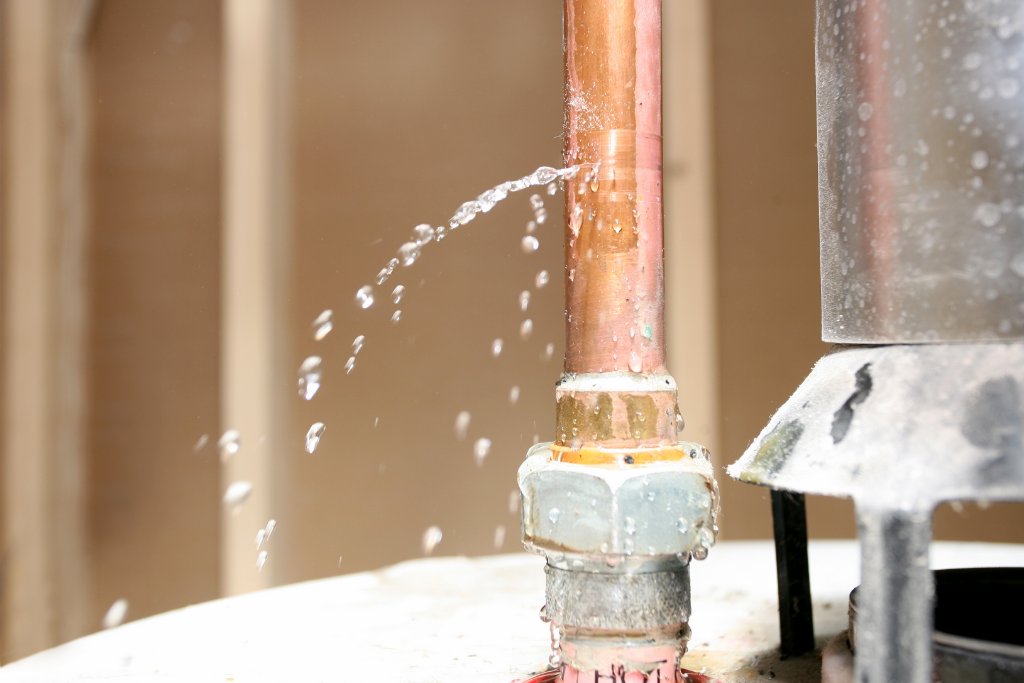
Frequent Leaks
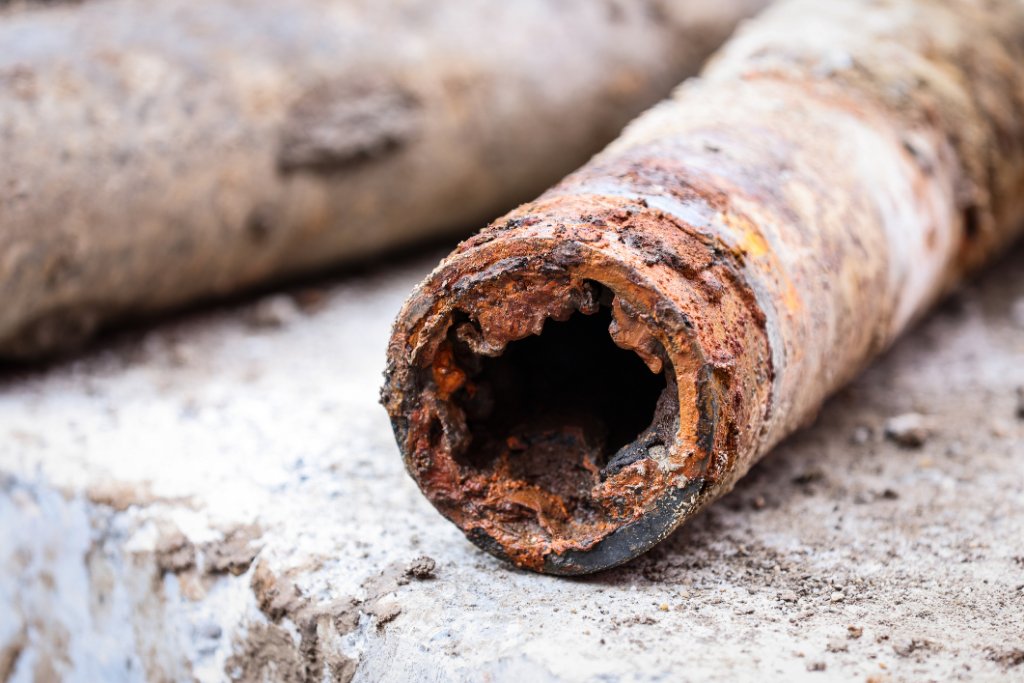
If you've had one leak, more are coming. Galvanized and aged copper pipes corrode from the inside out — pinhole leaks are just the beginning.
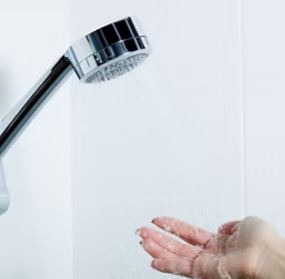
Low Water Pressure
Mineral buildup and corrosion inside old pipes chokes flow to a trickle. A repipe restores full, strong pressure to every fixture.
Slab Leaks
Water under your foundation causes structural damage fast. If you've had a slab leak, your pipes have already told you — the whole system needs to go.
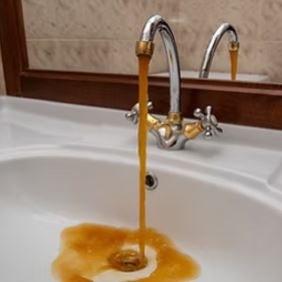
Rusty or Discolored Water
Orange or brown water means your pipes are rusting internally. That rust is getting into your drinking water, showers, and appliances.
Constant Repair Bills
Spending $300–$600 every time a new leak appears? You're financing a failing system. One repipe ends the cycle for good.
Home Built Before 1985
Galvanized steel pipes were standard until the 1980s. If your home hasn't been repiped, those original pipes are 40+ years old and well past their lifespan.
What Changes When You Repipe
Dramatically Improved Water Pressure
Full, strong pressure at every faucet, shower, and appliance — the way it was designed to be.
Clean, Safe Water
No more rust, sediment, or discoloration. Fresh water from brand new piping.
No More Leak Anxiety
Stop worrying about the next leak. A full repipe eliminates the source of the problem entirely.
Protect Your Home's Value
Modern plumbing is a major selling point. A permitted repipe is documented and adds real value.
Lower Insurance Risk
Water damage is one of the most common — and expensive — home insurance claims. New pipes eliminate that risk.
Lifetime Warranty
Our work is backed for life. You'll never pay for a repipe-related issue again.
PEX-A vs Copper — Which Is Right for Your Home?
Both are excellent options. We'll help you choose based on your home's layout, water conditions, and budget — no pressure.
PEX-A (Uponor)
Type L Copper
You Probably Have Type M Copper — and It's Already Failing
Throughout the 1990s and early 2000s, large-scale tract home developers installed Type M copper as the plumbing standard. It's the thinnest copper allowed by code — chosen entirely to cut construction costs, not to serve homeowners long-term.
Type M copper only lasts 15–35 years. In our service areas' water conditions — high mineral content, fluctuating pressure, and temperature extremes — these pipes are already at or past their lifespan. Pinhole leaks, slab leaks, and sudden pipe failures are the telltale signs.
The Hidden Cost of NOT Replacing Your Pipes
Water Damage Repairs
A single burst pipe can cause $10,000–$50,000+ in structural damage. Floors, drywall, cabinets, and subfloors — all destroyed in hours.
Mold Growth
Slow leaks behind walls create hidden moisture that breeds toxic mold. Mold remediation averages $3,000–$10,000 and disrupts your home for weeks.
Insurance Headaches
Insurance companies are increasingly denying claims on homes with aging pipes. Some policies exclude damage from 'gradual deterioration' — which is exactly how old pipes fail.
Repeated Service Calls
Every plumber visit for a new leak costs $300–$800. If you've had two leaks, you've already spent half the cost of a permanent fix that ends the cycle for good.
Waiting too long can turn a manageable upgrade into a major restoration project.
Benefits of Repiping Your Home
Strong, Consistent Pressure
Full pressure at every faucet, shower, and appliance — the way it was designed to work.
No More Surprise Leaks
Eliminate the source entirely. Stop patching one leak at a time and wondering when the next one hits.
Fewer Repair Costs
A repipe ends the repair cycle. No more $400 plumber visits every few months.
Increased Home Value
A permitted repipe is a documented upgrade that adds real market value and gives buyers confidence.
Cleaner, Better-Tasting Water
No rust, no sediment, no discoloration. Pure water from brand-new pipes throughout your home.
Peace of Mind
Stop worrying. Know that your plumbing system is new, backed by a lifetime warranty, and built to last decades.
We Don't Leave Holes in Your Walls
Unlike most repipe companies who leave you to find your own drywall contractor, we include full restoration as part of every repipe.
No juggling contractors — we handle everything from start to finish.
Repipe crew (Day 1) → Dedicated patching crew (Day 2) → Optional painting crew. One price. Zero coordination required from you.
See everything included →How Much Does a Repipe Cost?
All pricing is for PEX-A and includes full hot & cold line replacement, new valves, hose bibs, water heater reconnection, permits, and professional wall patching. Copper pricing is available upon request.
When Should You Repipe?
Before Selling Your Home
A repipe increases value, removes buyer objections, and signals a well-maintained property. Buyers and inspectors notice.
After a Slab Leak
One slab leak is a warning. If your pipes failed in one place, they're failing throughout the system. Spot-fixing slab leaks is a losing game.
During a Remodel
If walls are already open during a kitchen or bath remodel, it's the perfect — and most cost-effective — time to run new pipes.
When Repairs Keep Adding Up
If you've called a plumber more than twice in two years, you're financing a failing system. A repipe ends the cycle permanently.
Ready to Fix It for Good?
Stop patching the same problem. A full repipe is the permanent solution — and it takes just 1 day.